





Updated: 16.4.25
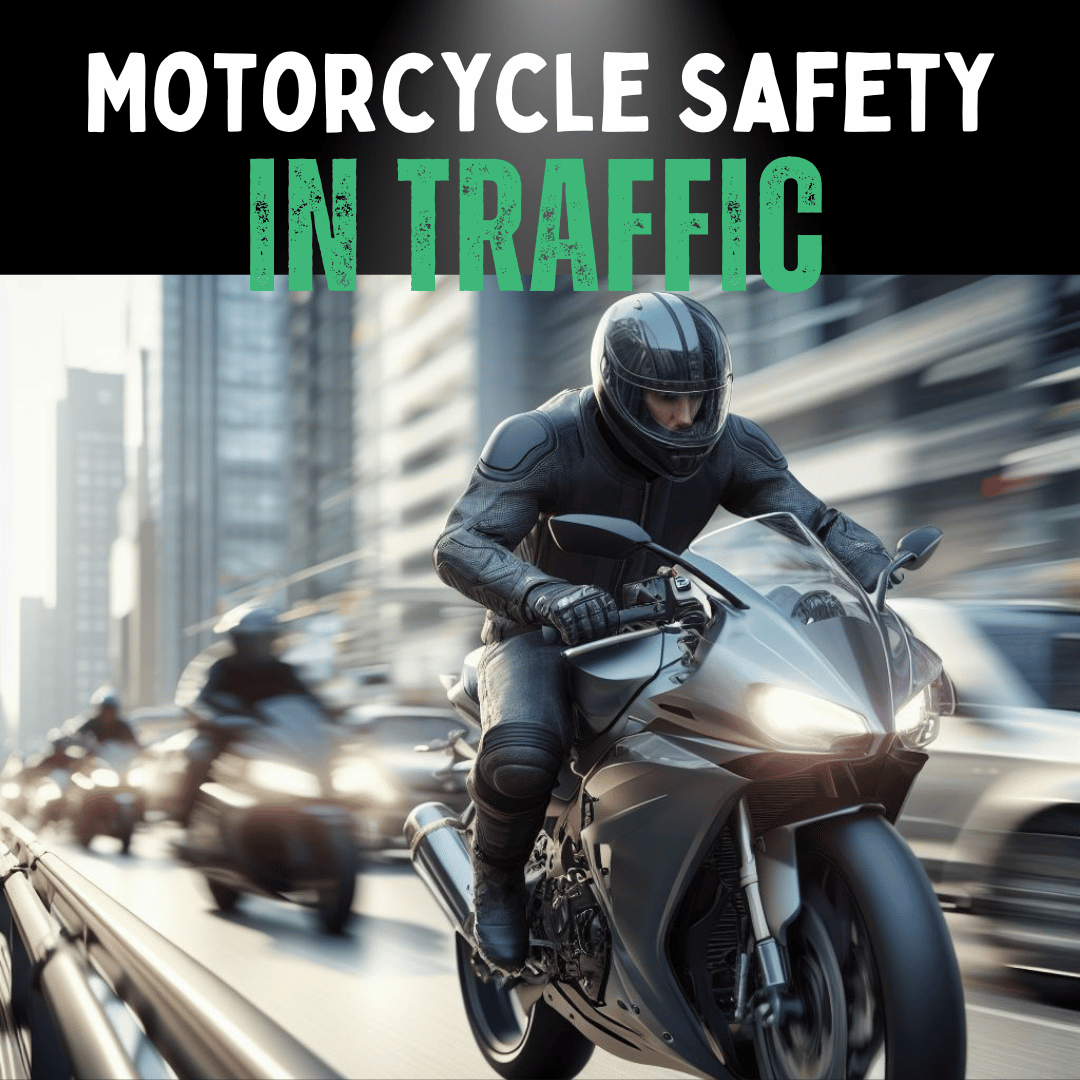
Motorcycle Safety in Traffic: 10 Golden Rules Every Rider Should Know
Motorcycles represent freedom, agility, and the thrill of the open road. But as traffic grows denser and distractions more common, staying safe on two wheels becomes increasingly vital. Whether you’re an experienced rider or new to the road, this guide shares 10 essential rules to help you navigate traffic with confidence and care.
1. Practice Regularly
Like any skill, riding improves with practice. Spend time on diverse roads—city streets, highways, and intersections—to sharpen your instincts. The more time you spend in real-world traffic, the more intuitive your reactions become.
With consistent riding, you’ll start sensing hazards before they happen, from erratic drivers to sudden lane changes.
Related: How to Shift Gears on a Motorcycle Like a Pro
2. Observe Traffic and Pedestrians
Stay alert. Monitor vehicles ahead, beside, and behind you. Watch for hesitant pedestrians at crossings. Always lean on the side of caution—defensive riding saves lives.
3. Have an Exit Strategy

Always leave yourself an out. Whether at an intersection or in slow traffic, avoid getting boxed in. Keep space to the side or behind another vehicle so you can manoeuvre if needed.
4. Filter Judiciously
Lane filtering can be efficient—but only if done safely. Don’t force gaps or rush between vehicles when visibility is limited. If the situation doesn’t feel right, wait it out.
5. Wear Protective Gear
From full-face helmets to armoured gloves, proper gear can make all the difference in an accident. Invest in DOT/ECE-certified helmets, abrasion-resistant jackets, reinforced boots, and high-visibility clothing.
6. Stay Calm and Positive
Road rage helps no one. Take deep breaths, ride with patience, and maintain your cool even when others don’t. A calm mind improves decision-making.
Related: 25 GAME-CHANGING Motorcycle Hacks You NEED to Know

7. Position Yourself for Escape
Always plan where to go if things go sideways. When stopped or cruising, position yourself so you can pivot, brake, or accelerate away from danger.
8. Accelerate with Purpose

Sometimes, quick acceleration is safer than hesitating. When merging or overtaking, use the power of your bike to create space—but never forget your surroundings.
9. Develop Road Awareness
With experience comes intuition. Learn to spot erratic driving, identify hazards early, and anticipate mistakes. Your instincts can become a life-saving advantage.
10. Avoid Aggressive Riding
Don’t retaliate to reckless drivers. Aggression escalates danger. Instead, ride responsibly and be the example of road safety you want to see.
Pre-Ride Checks & Maintenance
Before every ride, check the essentials:
- Tyres: Look for cracks, low tread, or foreign objects. Keep pressures optimal.
- Brakes: Check fluid levels and pad wear. Replace worn components.
- Lights & Indicators: Be seen. Ensure all lights are functioning.
- Fluid Levels: Oil, coolant, and brake fluid must be at proper levels.
Related: 11 Signs Your Motorbike Tyres Need Replacing

Ongoing Training and Learning
Skills fade if you don’t keep them sharp. Enrol in refresher courses or advanced training to hone your technique and safety awareness.
Related: Motorcycle Safety: A Beginner's Guide

Adapting to Road Conditions
- Wet Roads: Brake earlier, steer smoothly, and ride slower.
- Loose Gravel: Avoid sudden steering. Maintain a steady throttle.
- New Asphalt: Can be slick—reduce lean angles and increase following distance.
Modern Tech for Safer Rides
Leverage today’s tech to enhance safety:
- ABS: Prevents wheel lock under hard braking.
- Traction Control: Helps avoid slips in low-grip conditions.
- Ride Modes: Tailor your bike’s behaviour for the terrain or weather.
Group Riding Etiquette
- Staggered Formation: Maintains visibility and safe distances.
- Communication: Use hand signals or comms systems.
- Ride Together: Stick to the slowest rider’s pace to stay united.
Final Thoughts
Motorcycle safety isn’t about limiting the thrill—it’s about ensuring you can enjoy it for years to come. Follow these golden rules and you’ll not only ride better—you’ll ride smarter.


Share:
How To Adjust Engine Idle Speed In A Motorcycle
Why Are Dirt Bikes So Loud? Tackling the Loud Mystery Head-On