





Last updated: April 8, 2025
Disclaimer: This article is for informational purposes only and should not be considered as a substitute for professional advice.
The author and publisher are not liable for any damages or negative consequences arising from the use of the information provided. Always consult with a qualified healthcare provider before making any decisions regarding your child's health or safety.
In an age where screens dominate playtime, getting kids to stay active has become more important—and more challenging—than ever.
With childhood obesity on the rise, finding fun and engaging ways to promote movement is essential. That’s where kids ride-on toys come in. 
In this article, we’ll explore how ride-on toys help kids stay physically active and why they’re a must-have for every young adventurer.
Benefits of Physical Activity for Kids
Physical activity is crucial for children's growth and overall well-being. Some of the key benefits include:
- Improved cardiovascular health
- Increased muscle strength and endurance
- Stronger bones and joints
- Reduced risk of obesity
- Better mental health
- Enhanced self-confidence and self-esteem
Why Activity Matters Now More Than Ever
Kids today are more sedentary than ever before. Increased screen time, limited outdoor play, and busy schedules all contribute to reduced physical activity. According to the World Health Organization (WHO), children aged 5–17 should get at least 60 minutes of moderate to vigorous physical activity daily—yet most fall short of this goal.
Ride-on toys are a fun and effective way to reverse this trend.
How Ride-On Toys Encourage Activity
Ride-on toys aren't just entertaining—they’re developmental tools that promote various physical and cognitive skills:
1. Balance and Coordination
Balance bikes and scooters teach kids how to maintain control of their bodies and improve motor coordination—skills that transfer easily to walking, running, and sports.
2. Cardiovascular Fitness
Pedal-powered toys like trikes and bikes get kids’ hearts pumping and build endurance over time.
3. Muscle Development
Push-along toys, wagons, and foot-to-floor ride-ons help develop leg, core, and arm muscles—all while your child is having fun.
4. Gross Motor Skills
Riding, steering, pedaling, and maneuvering a ride-on toy enhances large muscle groups and supports coordination, agility, and body awareness.
How to Choose the Right Ride-On Toy
Before you shop, consider these essential factors:
Age & Size Appropriateness
Ensure the toy matches your child’s age, size, and developmental stage. Always refer to the manufacturer’s guidelines.
Safety First
Look for features like seat belts, stable wheels, low centers of gravity, and don’t forget to provide helmets and pads when necessary.
Type of Ride-On
Younger kids may benefit from simple push-along toys, while older children might enjoy more advanced electric or pedal-powered options.
Tips to Encourage Regular Use
- Join in the fun! Ride your own bike or scooter to model active behaviour.
- Incorporate riding into your family routine—before dinner, after school, or on weekends.
- Set fun destinations like a playground or a smooth path at the park.
- Offer praise and small rewards to reinforce regular use.
In Summary
Ride-on toys are more than just fun—they’re tools that support healthier lifestyles and better development in children. They get kids off the couch and into motion, helping them build strength, confidence, and lifelong habits.
With the right toy and a bit of encouragement, you can make physical activity a joyful part of your child’s everyday routine.
FAQs
What age is appropriate for a ride-on toy?
This varies by type, but some ride-on toys are suitable from 18 months, while others are designed for children 3 years and up.
What are the main benefits of ride-on toys?
They improve coordination, strength, cardiovascular endurance, and gross motor skills—all while encouraging outdoor play.
How long should my child use a ride-on toy each day?
Ride-on play can contribute to the 60-minute daily activity goal recommended by health professionals.
Are they safe for indoor use?
Many ride-ons are suitable for indoor use, such as balance bikes, but always check floor type, space availability, and safety precautions.
Do ride-on toys help with social development?
Yes! Group play with ride-on toys helps kids learn cooperation, sharing, and communication.
🚗 Fuel Their Fun—and Their Fitness
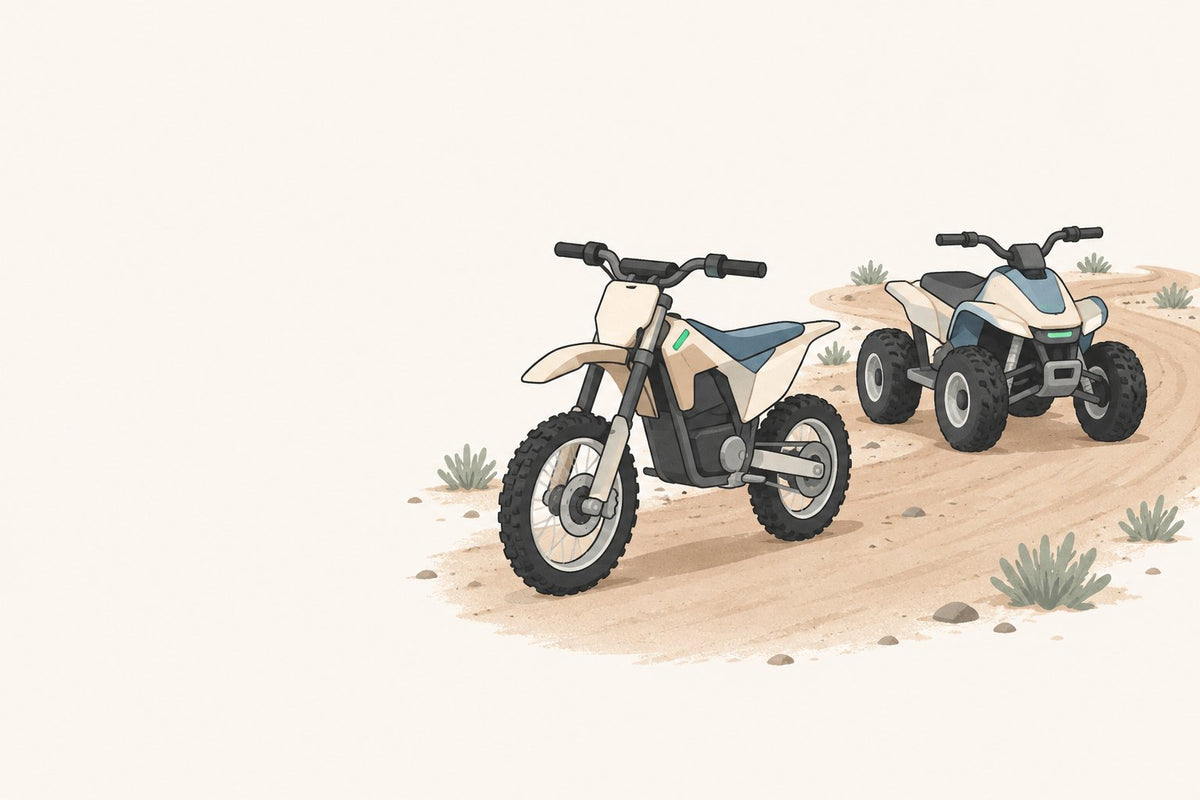
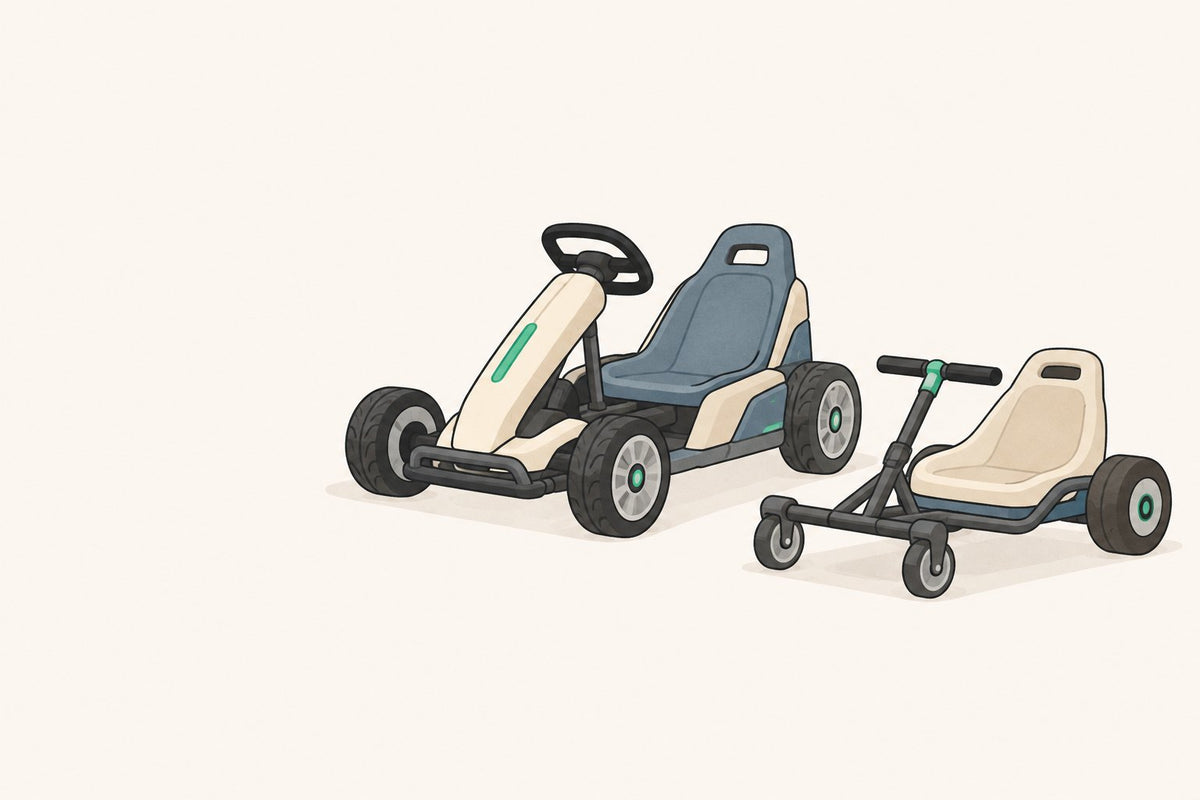
Looking for a fun way to keep your little one moving? Ride-on toys offer the perfect mix of play and exercise. Whether you're after a sleek electric car or a classic foot-powered ride-on, we've got something for every little driver.

Share:
RiiRoo Would Like To Introduce Our New Video Call Feature
What Age Can a Child Sit in the Front Seat of a Car?